Basil ArrindellFounder & CEO, DIM Publishing Group Ltd
By the time a business makes the headlines, much of its most useful story has already happened.
The product has been made, rejected, improved and made again. A founder has worked out which customers will pay, which costs cannot be ignored and which promises the business can actually keep. There may have been years when the ambition was large and the bank balance was small. Sometimes a successful company has come dangerously close to losing everything.
This issue of BEI Magazine goes into that part of the story.
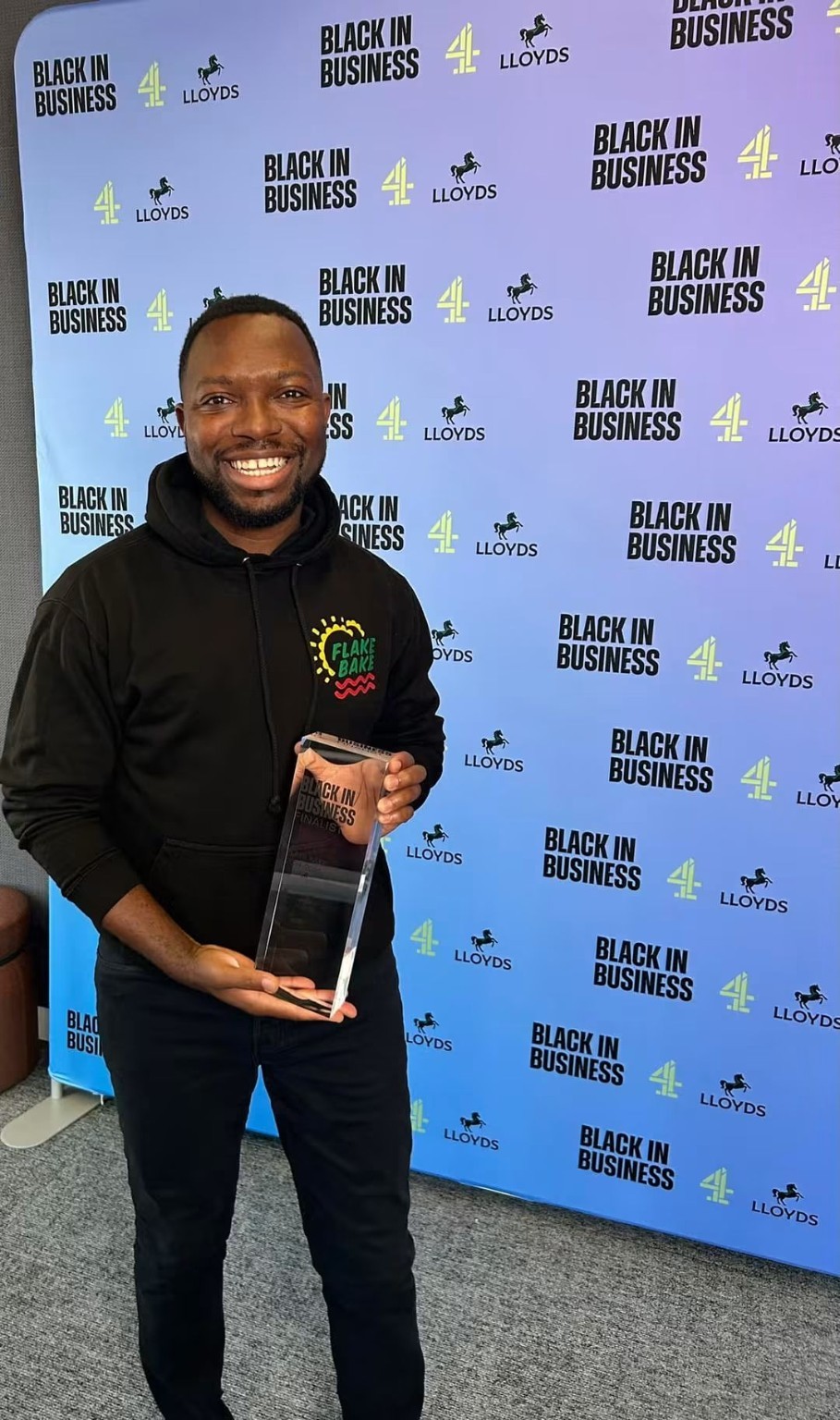
Paul and Michael Williams built Flake Bake long before their Jamaican patties reached Aldi’s shelves. Wilfred Emmanuel-Jones carried an ambition from a Birmingham allotment into farming and a distinctive food brand. Raphael Sofoluke created a platform where Black businesses could become visible to one another and to a wider commercial world. In America, David Steward helped build World Wide Technology through early financial pressure that reached into his own household. In Nigeria, Femi Otedola’s career shows what rebuilding can demand when a market turns against you.
Their circumstances differ. So do their advantages, risks and resources. We owe our readers enough detail to understand those differences. A powerful business story should show the work behind the achievement and the decisions that changed its direction.
That is also why this issue brings the discussion back to your business. Wealth coach Angel Thomas asks whether your prices reflect the work you actually do. Curtis Goring’s Nugget asks what you would turn a £100,000 opportunity into. Our accompanying tools give you space to examine your own numbers before the next big decision arrives.
BEI exists to make Black enterprise visible, understood and connected. We celebrate achievement, investigate the route to it and share knowledge readers can put to use. The purpose is to widen what feels possible, while making the practical work of getting there clearer.
Read the stories. Examine the turning points. Then choose one action that makes your own business stronger.
We also turn inspiration into practical action: Angel Thomas challenges how we price our work; Curtis Goring asks what opportunity should become; Fitz Gaynes introduces everyday wellbeing. Show Me the Money and the free business tools help you begin planning your next step.
BEI MAGAZINE / ISSUE 03
BEI LEADERSHIP / FROM THE FOUNDERS
Building the room we wished existed.
Mark DalgetyCo-Founder & CEO, Black Entrepreneurs International CIC
Founded alongside Caroline Fagbemi, BEI brings Black entrepreneurs together across the UK, Africa and the wider diaspora—creating opportunities for networking, collaboration, visibility, growth and success.
When we started Black Entrepreneurs International, the idea was simple: build the room we wished had existed for us. A place where Black business owners — across the UK, across Africa, across the Caribbean, across North America — could stop introducing themselves from scratch every time, and start building on what's already there.
“We built this network to grow. Let's keep growing it, together.”
MARK DALGETY · BEI
Real entrepreneurship includes the moments that go wrong, and the discipline it takes to make sure yours doesn't. That honesty is exactly what BEI was built to hold space for.
This is what BEI looks like in practice: members supporting members, expertise flowing freely, no gatekeeping.
Mark Dalgety & Caroline FagbemiBlack Entrepreneurs International
From Mark Dalgety’s introduction to the September edition.
CONNECT. COLLABORATE. GROW.
BEI MAGAZINE / ISSUE 03
BLACK ENTREPRENEURS INTERNATIONAL
Inside this issue.
Read deeply. Watch directly. Put the ideas to work.
BEI MAGAZINE / ISSUE 03
BEI / THE HARD-WON BREAKTHROUGH01ENTERPRISE
THE YEARS BEFORE THE HEADLINES
Flake Bake.
PAUL & MICHAEL WILLIAMSA PECKHAM FAMILY BUSINESS
Twelve years. One breakthrough.
Craft. Customer relationships. The challenge of fulfilling a much larger promise. How a Jamaican patty travelled from South London to a national supermarket audience.
RESEARCHED PROFILEBEI / ISSUE 03
Flake Bake outside Aldi. A national audience for a product with deep local roots.
A supermarket shelf can make a business look newly discovered. For Paul and Michael Williams, known publicly as Mike, national attention arrived after years of making Jamaican patties for customers who already understood their value.
Father and son founded Flake Bake in 2012. Their commercial roots stretch further back: Paul developed his baking skills in his uncle’s bakery during the late 1990s, and returned to the original premises in 2008. Mike later joined the family venture, bringing his university experience into the business. Together, they focused on a product with an established place in Caribbean food culture and room to reach a much wider audience.
The patty’s appeal is immediate. Flaky pastry encloses a seasoned filling; it is convenient to buy, carry and eat. Yet familiarity within one community does not automatically produce recognition across a national retail market. That gap became part of Flake Bake’s opportunity.
The years that built the business.
The small, repeated promises matter: a product that sells, a delivery that arrives, a customer who comes back.
The company’s own history describes growth through Caribbean takeaways, cafés and street-food vendors across South London. These were repeat commercial relationships, built through the daily business of supplying food.
For an entrepreneur reading this story, that period matters. A stockist can reveal problems a flattering social-media comment never will. Can the delivery arrive when promised? Does the product remain consistent? Does it sell quickly enough for the retailer to reorder? Can the supplier earn money at the wholesale price?
Those questions are BEI’s analysis of the business model, rather than a claim about private conversations between the founders. They explain why an established local supply network can be a valuable foundation for expansion. The network tests more than whether people like the food.
The father-and-son partnership also brought different experience to the same product. Paul’s practical craft and Mike’s business focus offered complementary resources. Family enterprise can carry pressure as well as loyalty: commercial decisions still require clear roles, agreed standards and attention to the numbers. Flake Bake’s story gives us a useful way to examine how inherited skills can become a platform for a new generation’s ambition.
2012Paul and Mike establish Flake Bake.
2024The Aldi breakthrough, following twelve years of building.
48hAldi reports the first release sold out within 48 hours.
In April 2024, Flake Bake’s beef patty reached Aldi stores after the Williamses won a place through Channel 4’s Aldi’s Next Big Thing. The retailer’s account identifies obstacles beyond taste: the patties needed suitable packaging, a longer shelf life and production arrangements capable of meeting the required order.
That is the critical turning point. Winning attention created a new set of obligations.
A local supplier and a national supermarket work at different scales. A successful pitch must eventually become a product that can travel through distribution, remain saleable and arrive in sufficient quantities. Production changes can also threaten the qualities that made the original product attractive. The business challenge is to increase reliability and reach while preserving the customer’s reason to buy.
Flake Bake’s own timeline records the use of a high-volume manufacturing partner for the Aldi relationship. That decision illustrates a route entrepreneurs sometimes overlook: growth can involve finding the right capability outside the business, rather than trying to own every machine and process immediately.
IDENTITY & AMBITION
Heritage travels.
Recognition followed years of building the business.
Aldi reported that the initial release sold out within 48 hours and announced a return in August 2024. Later coverage of Flake Bake’s television advertising described further growth and continuing retail momentum.
A first listing opens the door. Repeat demand is the more revealing test. The business must move beyond the excitement of launch and make customers want the product again.
There is another important detail here. The founders did not need to discard the product’s Jamaican identity to pursue wider distribution. The commercial task was to make that identity understandable and accessible to more buyers. Heritage supplied substance to the brand; operational work enabled the brand to travel.
Twelve years separate Flake Bake’s founding from its televised retail breakthrough. Those years deserve space in the story because they change its meaning. The headline moment rested on a business that already had a product, a craft tradition and a customer base.
TAKE SOMETHING WITH YOU
The lessons behind the headline.
01
Stay close to the customer.
Repeat orders reveal more than applause. Build evidence before you scale.
02
Prepare for the promise.
Packaging, shelf life and capacity can decide whether an opportunity is deliverable.
03
Partner deliberately.
Additional capability can be more useful than additional ownership.
04
Carry your identity forward.
Expansion should preserve the value that made customers choose you.
YOUR NEXT MOVEBefore accepting a substantially bigger order, check your production capacity, cash requirements and payment terms. This issue’s Bigger Order Readiness Check puts those questions to work.
Sources & editorial note
This is a researched profile, not an interview. Business lessons and analysis are BEI editorial material.
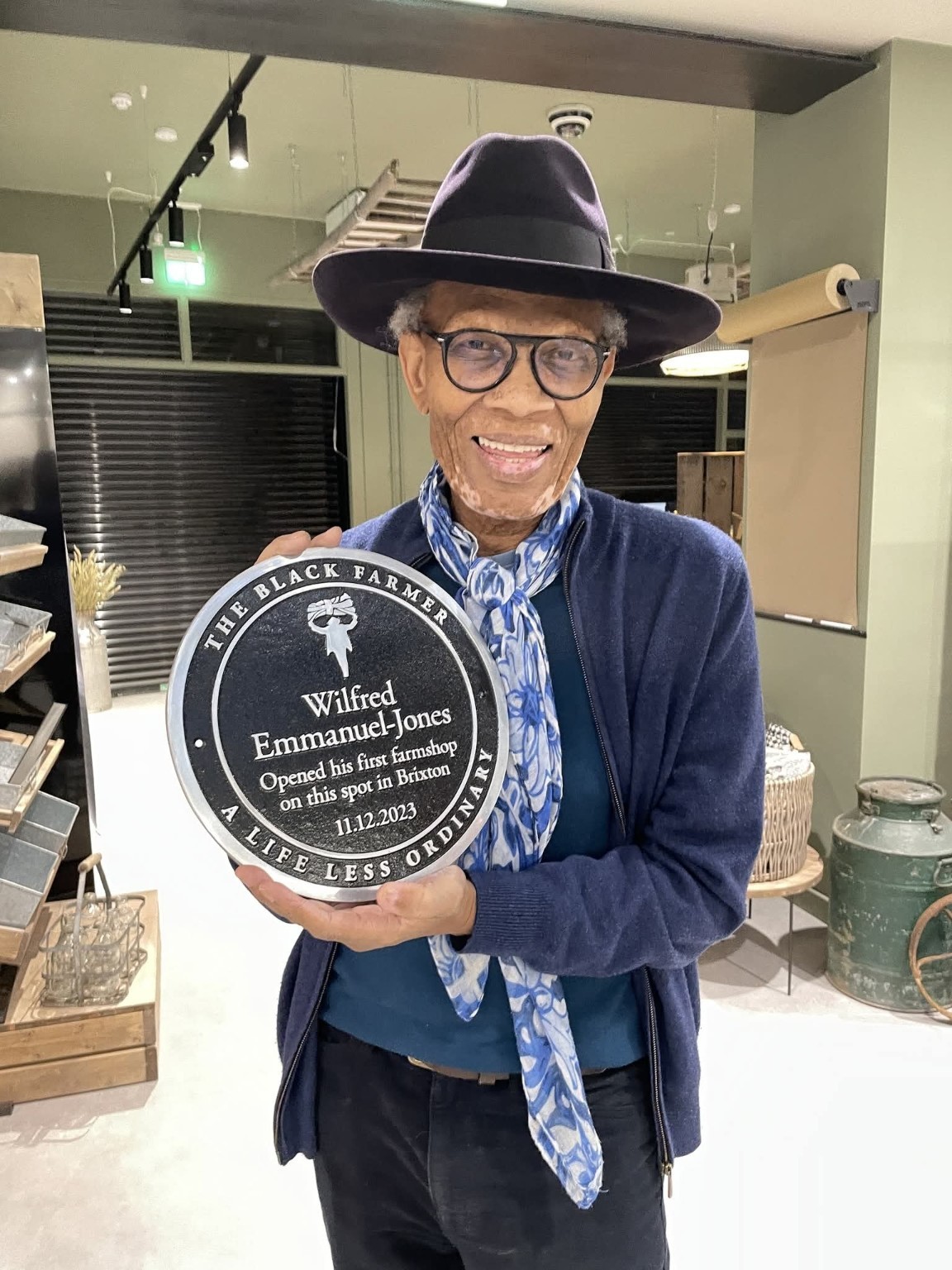
An allotment in Birmingham planted an ambition that crossed careers, industries and expectations.
Before The Black Farmer became a food brand, owning a farm was a childhood ambition.
Wilfred Emmanuel-Jones was born in Jamaica and grew up in inner-city Birmingham. His father’s allotment helped feed the family and introduced him to growing food. It also gave him a picture of a future far removed from the surroundings in which he was being raised. His published account describes hardship, undiagnosed dyslexia and leaving education without qualifications.
The journey into farming was indirect. It passed through work in food, television production and food-and-drink marketing. He eventually bought a farm on the Devon–Cornwall border in 2000.
Experience that travelled with him
A career that changes direction can look fragmented when reduced to a list of jobs. Look at the capabilities instead, and connections become clearer.
Food work develops an understanding of products and customers. Television teaches how to hold attention and make a story understandable. Marketing connects a product with a reason to choose it. For a founder creating a consumer food brand, those are relevant forms of experience.
This is BEI’s interpretation of the route, rather than a claim that every career step followed a predetermined plan. Many entrepreneurs only recognise the usefulness of earlier work when a later opportunity arrives.
The Black Farmer’s Brixton farmshop: a new chapter.
Making difference visible
The name The Black Farmer placed Emmanuel-Jones’s identity at the centre of the brand. His own account describes adopting the name with pride. The company now combines food retail with a wider message about belonging, ambition and diversity in farming.
The name does commercial work: it is memorable and gives the business an immediately identifiable founder. It also invites a question about who people expect to see in the countryside.
That visibility has significance for readers who rarely encounter themselves in an industry’s public image. It can make participation easier to imagine. The product must still earn its place, but the person behind it broadens the picture of who can build a business there.
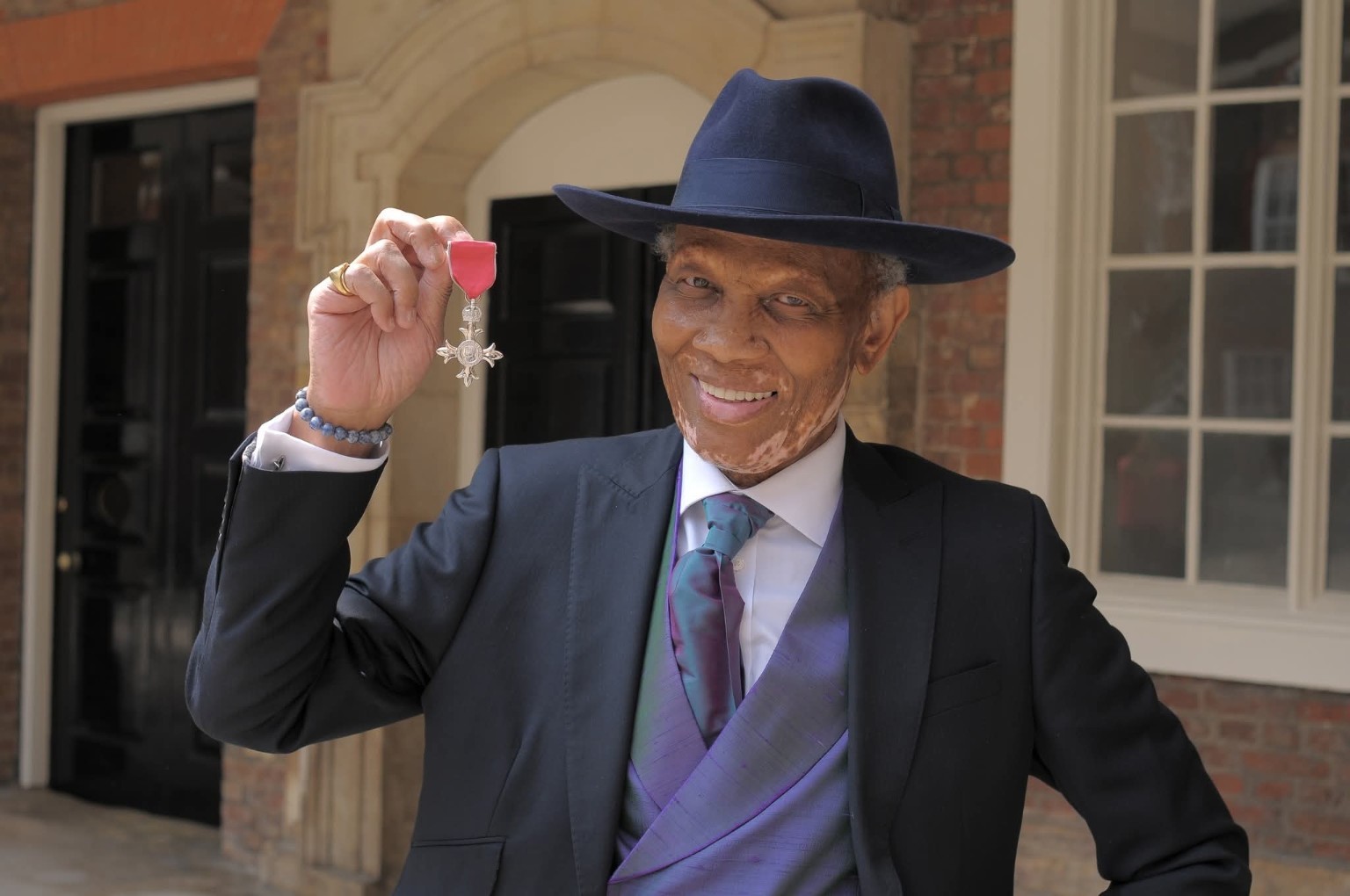
Emmanuel-Jones’s MBE recognised services to farming. Published coverage also records his earlier career as a BBC producer and his food-marketing business. The achievement rests on accumulated experience as well as determination.
Recognition for services to farming.
FROM THIS STORY TO YOUR BUSINESS
The takeaways.
01
Treat earlier work as an asset.
02
Write down the skills you can carry into your next venture.
03
Make your brand’s difference clear.
04
Give customers something specific to remember.
05
Allow ambition a long timetable.
06
A distant goal can be approached through smaller, commercially useful steps.
YOUR NEXT MOVEWhich experience from outside your present industry could improve the way you sell, serve or lead?
PUT THE STORY TO WORK
BEI MAGAZINE / ISSUE 03
BEI MAGAZINE / ISSUE 03
Raphael Sofoluke
Building the Room
The UK Black Business Show began with 25 stands and 500 attendees. Its founder identified a need for visibility and connection, then turned it into an event people could enter.
Business opportunity often moves through rooms: exhibitions, conferences, introductions and conversations between people who might otherwise never meet.
Raphael Sofoluke created a room with Black enterprise at its centre. The first UK Black Business Show took place on 14 October 2017, seven months after he conceived the idea. Its organisers record 25 exhibition stands and 500 attendees at that inaugural event.
The scale of that beginning is useful. Five hundred people is substantial enough to demonstrate interest, while remaining far removed from the size of the platform today. A first event had to establish whether the idea could attract businesses and an audience.
A need became a proposition
The show’s stated purpose was to give Black entrepreneurs and professionals somewhere to connect, exhibit and find inspiration. That proposition combined several needs: business visibility, access to other founders and the chance to learn from people further along the route.
An event business must make those needs commercially workable. Exhibitors require a reason to spend time and money. Attendees require a reason to come. Partners require a reason to associate their names with it. Each group experiences the same event differently.
The practical lesson is to design around those different forms of value. A crowd alone cannot tell you whether exhibitors met useful customers or whether attendees left with worthwhile connections. Growth becomes more convincing when participation delivers something people want to repeat.
Building while employed
Published coverage describes Sofoluke developing the venture alongside his day job before moving into it full time in 2021. That detail makes the route more recognisable for readers whose ambitions currently fit around employment and family responsibilities.
There is no need to romanticise exhaustion. The important question is what those limited hours produced: a proposition, an event and evidence that people wanted it. Working alongside employment can reduce some financial pressure, but it also requires choices about what can realistically be delivered.
The organisers’ timeline records expansion over successive editions and disruption during the pandemic. Events depend on people gathering; losing that possibility tests the business at its core. A growing platform still operates within conditions it cannot entirely control.
Sofoluke’s achievement is to have created a visible commercial meeting place from an identified gap. For Black enterprise, the significance extends beyond one founder: an effective platform can give other businesses access to attention and relationships too.
FROM THIS STORY TO YOUR BUSINESS
The takeaways.
01
Start with a specific unmet need.
02
Prove value at a scale you can deliver.
03
Measure the quality of participation as well as its volume.
04
Build a transition plan if you are developing a venture alongside employment.
YOUR NEXT MOVEWhat are customers in your market struggling to access, and could bringing the right people together solve part of it?
BEI MAGAZINE / ISSUE 03
BEI MAGAZINE / ISSUE 03
David Steward
Before the Billions, the Car Was Repossessed
World Wide Technology’s founder has described the personal cost of its early financial pressure. The company’s later scale makes those beginnings especially instructive.
A founder’s success is often measured through the size of the company. David Steward’s account of an early repossession gives us a different measure: how exposed he was while the business was still being built.
In a 2020 chairman’s newsletter, he described periods when he went without pay to meet employee payroll, and his car being repossessed in front of colleagues. These are details he placed on the public record himself. They show financial pressure reaching into both his household and his workplace.
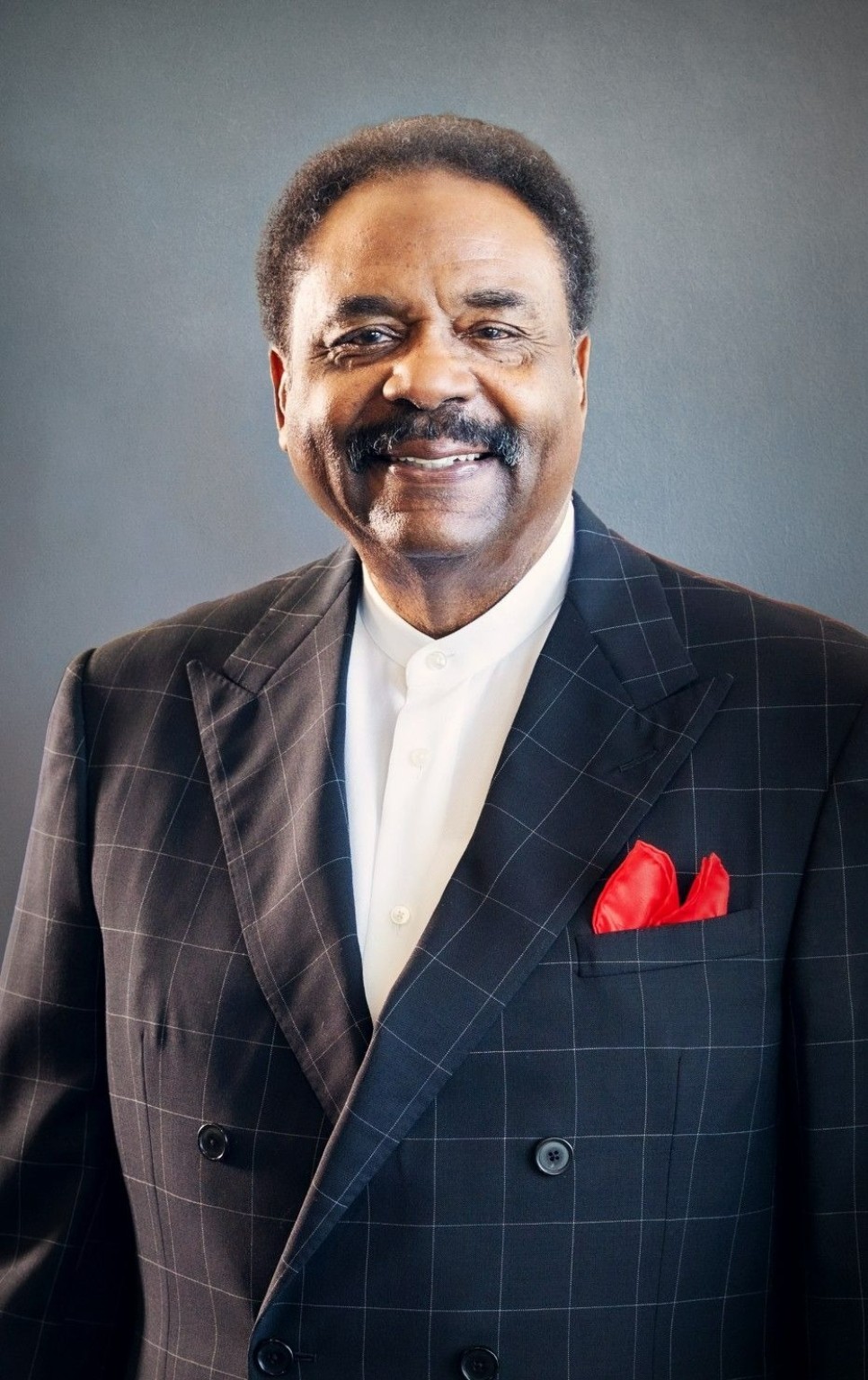
Steward founded World Wide Technology in 1990. He serves as chairman; co-founder Jim Kavanaugh is its chief executive. WWT’s current profile describes a global technology solutions provider employing more than 12,000 people.
The work behind the transformation
The journey from an early contractor to a large technology business requires more than the founder’s determination. Customers need confidence that the company can deliver. Suppliers need functioning relationships. Staff need an organisation in which they can do dependable work.
Steward’s official biography identifies relationships and support programmes, including the US Small Business Administration’s 8(a) programme, as part of WWT’s early development. This matters because business success is sometimes narrated as if accepting assistance diminishes achievement. In practice, access to procurement, advice and commercial relationships can help a capable company reach opportunities that would otherwise remain distant.
The lesson for a smaller business is to investigate the routes available in its own market. Which purchasing frameworks, supplier-development programmes or partnerships could make the company easier for a larger buyer to work with? What evidence would qualify it to participate?
Founder conviction and company capability
Steward’s personal sacrifice gives the story emotional force. It should also prompt a practical question: how can a business reduce the pressure that forces a founder to absorb every shortfall?
Cash-flow planning, clear payment terms, reliable costing and sufficient working capital all belong in that discussion. They cannot remove every risk. They can make the timing and size of the risk more visible.
WWT’s scale also reminds us to credit the organisation. Steward’s leadership belongs alongside the work of Kavanaugh and the people who built the company’s capabilities. A business becomes durable when knowledge, responsibility and customer confidence extend beyond one individual.
The early repossession is a powerful opening because it prevents the final achievement from looking inevitable. Steward could not know the outcome at that moment. He was leading a company whose future remained uncertain, while people around him depended on its survival.
FROM THIS STORY TO YOUR BUSINESS
The takeaways.
01
Understand your cash exposure.
02
Seek relevant support and procurement routes.
03
Build complementary leadership.
04
Turn founder knowledge into company capability.
YOUR NEXT MOVEIf you stepped away for a week, which essential decisions would stop—and what would make them possible without you?
PUT THE STORY TO WORK
BEI MAGAZINE / ISSUE 03
BEI MAGAZINE / ISSUE 03
Femi Otedola
The Courage to Start Again
His comeback involved surrendering assets, confronting debt and rebuilding. Understanding the cost makes the achievement more useful.
WATCH THE INTERVIEW · FEMI OTEDOLACredit: Forbes Africa / CNBC Africa. Watch on YouTube ↗
Femi Otedola’s story includes major success, a severe financial reversal and a subsequent return to prominence. It also includes advantages that should remain visible. In his published memoir account, a substantial loan from his father helped establish Zenon Petroleum.
That starting point distinguishes his route from founders who began with very little financial support. The compelling part of this feature is the later reckoning: what happens when an established fortune and business model encounter a market shock?
When exposure became a crisis
Published extracts from Making It Big: Lessons from a Life in Business describe the impact of the 2008 oil-price collapse and subsequent currency pressure. Fuel bought in a much stronger market lost value, while a weakening naira increased the burden of dollar liabilities.
The combination matters. A business can be exposed to several risks simultaneously: the price of what it holds, the currency in which it owes money and the timing of when cash becomes available. Each can worsen the others.
Readers do not need an oil-trading business to recognise the pattern. A smaller company importing stock may also pay in one currency, sell in another and wait for customers to settle invoices. The amounts differ; the need to understand connected exposures remains.
The price of the reset
The memoir coverage describes an agreement with the Asset Management Corporation of Nigeria that involved surrendering extensive assets to address the debt. Further reporting records debt clearance by 2012 and the retention of an equity holding and some properties.
Backing yourself, in this story, included accepting a painful reduction in what you owned. It required a route through the obligations rather than simply holding everything and waiting for better conditions.
A negotiated reset is not available on identical terms to every entrepreneur. Otedola’s assets, relationships and retained interests formed part of his circumstances. Still, the decision has a useful principle: an asset’s emotional importance and its usefulness to the business’s survival can become very different things.
Rebuilding and changing direction
Otedola’s later career included the transformation of African Petroleum into Forte Oil and expansion into electricity generation. Geregu Power became publicly listed in 2022. In December 2025, its announced ownership restructuring transferred his indirect controlling interest to MA’AM Energy.
The ownership change marked another turn in his business journey. His more recent prominence includes First HoldCo, where he has served as chairman.
The comeback therefore contains several decisions over time: managing the debt settlement, rebuilding an operating business, changing sector exposure and later changing ownership positions. A single phrase such as “he bounced back” loses too much of the work.
For readers, the value is in examining the sequence. What had to be resolved first? What could be retained? What expertise and management did the next stage require? How did the business change after the crisis?
FROM THIS STORY TO YOUR BUSINESS
The takeaways.
01
Map risks together.
02
Currency, stock value and payment timing can interact.
03
Know which assets support recovery.
04
Confront liabilities before they consume every option.
05
Study the rebuilt business, not only the restored fortune.
YOUR NEXT MOVEWhich assumption would put your business under the greatest pressure if it changed—and what action could reduce that exposure now?
PUT THE STORY TO WORK
BEI MAGAZINE / ISSUE 03
BEI MAGAZINE / ISSUE 03
Angel Thomas • Wealth Coach
Busy Isn’t the Same as Building Wealth
With Angel Thomas
Angel Thomas / Wealth Coach
You started a business to create freedom and make more money. So why does it feel like you’re simply working harder for less?
Most business owners think the answer to low profit is always "more clients." But if your pricing is broken, more volume doesn't bring freedom - it just brings exhaustion, pressure, and zero spare time.
When you undercharge, every new client you take on costs you more than they pay.
The real question isn’t “How do I find more clients?”
It’s “Am I actually pricing for my time, expertise, and results?”
Being endlessly busy is not the same as building wealth. When you stop chasing volume and start commanding the true value of your transformation, your business stops draining you.
If you are ready to fix your pricing, stop overworking, and build actual wealth, make sure to follow along for more strategies.
BEI companion exercise: Count the work your price must pay for
Choose one service you sold recently. Add the time spent on delivery, preparation, sales conversations, revisions and administration. Deduct the job’s direct costs and a reasonable share of overheads from the price, then divide the remainder by all those hours.
This gives a working estimate of what remains per hour before personal tax and any costs you have left out. Use it to identify a pricing decision worth examining. Record the assumptions so you can improve the calculation next time.
IN THEIR OWN WORDS
Know your worth.
Angel Thomas · Wealth Coach · 31 seconds
Watch Angel Thomas • supplied contribution
BEI MAGAZINE / ISSUE 03
BEI MAGAZINE / ISSUE 03
CURTIS GORING · YOUR REGULAR BUSINESS INSIGHT
The Nugget
THE £100,000 QUESTION
If £100,000 landed in your business account tomorrow, what would you turn it into?
The Nugget is Curtis Goring’s regular feature in every issue of BEI Magazine: one focused idea to put to work in your business.
Curtis Goring is Managing Director of The Aftersales Network Limited, a UK-based commercial finance brokerage and business advisory firm. Its work includes business loans, property finance and cashflow solutions for small and medium-sized enterprises. The Aftersales Network Limited is authorised and regulated by the Financial Conduct Authority (FRN 725655).
“£100,000 isn’t the outcome. It’s the opportunity. The real question is what you turn that opportunity into.”
— Curtis Goring
BEI companion exercise: Give the money a job
Before dividing the money between departments, identify the constraint you want to change. Perhaps equipment is limiting capacity. Perhaps the business needs working capital to deliver an order before payment arrives. Perhaps demand exists, but a missing skill prevents you from serving it well.
Write the intended outcome first. Then allocate the funds and identify how you would know the investment had worked. A marketing allocation might need a customer-acquisition target; equipment might need a capacity or time-saving measure. Keep a reserve visible rather than treating every pound as immediately spendable.
Finally, establish the source and conditions of the money. A loan creates repayment obligations. Equity changes ownership. A grant may restrict eligible spending. The same sum can require different decisions depending on how it reaches the business.
Watch Curtis explain the question in his own words, then use the accompanying BEI planner to develop your answer.
IN THEIR OWN WORDS
The £100,000 Question.
Curtis Goring · The Nugget · 2 minutes
The £100,000 Question • Curtis Goring
BEI MAGAZINE / ISSUE 03
BEI MAGAZINE / ISSUE 03 · YOUR REGULAR HEALTH & FITNESS FEATURE
We hear it all the time. But what is your max? Do you know? I certainly don’t know mine. But I want to give myself a chance to find out!
I want to move, dance, laugh, teach and enjoy my life. I want to get up and take part—to have the strength and confidence to do the things that matter to me.
And that means taking care of the body I expect to do all of this.
It’s easy to say, “I want to live a long life.” But how do you want to live those years? What do you want to be able to do? And what are you doing today to give yourself that chance?
Nobody is perfect. I’m not. There are days when the enthusiasm isn’t there. I know what I should do, but knowing and doing are two different things! That is when I have to remind myself what I’m doing it for.
You don’t have to get everything right. But make a start. Eat a little better. Move with purpose. Make time to recover. Give your mind something positive to work towards and your body something worthwhile to do.
And be honest with yourself. Balance still requires effort.
You cannot push your body endlessly and expect it never to need a break. Equally, you cannot keep doing nothing and expect your strength to be waiting for you when you need it.
Challenge yourself—but make the challenge right for you. Build from where you are.
As we become people of age, there is still so much to live for. Places to go. People to enjoy. Music to dance to! We need strength for that life, and we need to keep giving ourselves reasons to use it.
Lighter activity has its place. Harder effort can have its place too. For me, the foundation is purposeful, manageable training that challenges me enough to progress and allows me to recover and come back again.
Consistency with the right intensity.
That is the thinking behind Physical Life-Style Training (PLST). Training with purpose for the life you live.
When you stand up more confidently, carry something more comfortably or do something you thought you were losing the ability to do—that matters! Feel good about it. Those are your returns on your Physical Pension.
We cannot choose how many years we get. We cannot prevent every illness or control everything life brings. But we can take responsibility for the things within our reach.
So give yourself a chance. If you’ve stopped, start again. If your circumstances have changed, find a way forward that works for you now.
Good. Better. Best.
You don’t have to be your best today. Do something today that gives you a chance to be better tomorrow.
There is life to be lived—and I intend to take part. I want you to take part too!
Train For Life. The PLST way.
PLST BASE 9 · DISCIPLINE 1
The Suitcase Squat
With or Without Smart Load
The Suitcase Squat · 30-second demonstration
Physical Life-Style Training (PLST) is the framework for developing physical ability for everyday life. BASE stands for Basic All-Round Strength Exercises, its dumbbell-based strength-training method. Within BASE 9, each individual movement is called a discipline.
The Suitcase Squat is Discipline 1 of BASE 9. It develops the strength and control required to lower the body towards the floor and return to standing—an ability used when sitting, rising, lifting and carrying.
This discipline can be performed with bodyweight or with Smart Load held naturally at the sides, similar to carrying two suitcases. Bodyweight is not an inferior option. It may be the correct starting point for a beginner, someone returning to training or anyone rebuilding movement confidence.
Begin from a balanced standing position. Place the feet where the body feels stable rather than forcing everyone into the same stance. Let your eyes be your guide.
Allow the ankles, knees and hips to work together as the body lowers. The torso may incline naturally, and the knees may travel forwards in the direction of the feet. Exhale during the lowering phase and descend only as far as you can remain balanced and in control.
Apply pressure through the floor and allow the whole body to return to standing. Finish tall without forcing the hips forwards or squeezing the glutes unnecessarily.
A deeper squat is not automatically a better squat. The correct depth is the usable range that the individual can enter and leave with control.
In BASE 9, eight repetitions provide the structure, but the training effect depends on the Smart Load, Time Under Tension, movement range, recovery and quality maintained throughout the set. Eight repetitions should never be rushed simply to complete the number.
The Suitcase Squat is not practised merely to improve squatting. It helps preserve the strength to lower, rise, lift and carry throughout life.
PLST provides the framework. BASE provides the method. Smart Load provides the demand.
Train For Life. The PLST way.
BEI MAGAZINE / ISSUE 03
BEI MAGAZINE / ISSUE 03
Show me the money.
The BEI guide to funding your business.
Start with the job the money needs to do. Paying for equipment, delivering an order and building a business ready for investors can call for different kinds of finance.
This UK guide helps you shortlist routes worth investigating. It does not assess creditworthiness or guarantee eligibility. The providers make their own decisions.
Find your funding route
Provider information checked 7 October 2026. Follow each provider’s current criteria and deadlines. Accelerator participation does not automatically include funding.
Before you apply
Explain the amount, use and result. Show evidence of demand. Prepare a cashflow forecast that includes repayments and realistic payment delays. Identify any personal liability, fees, security or ownership changes.
Start Up Loans is an unsecured personal loan, not a grant. Its support partners can help with a business plan, cashflow forecast and personal budget.
Declined—what next?
Ask which factors drove the decision: affordability, credit history, trading evidence, security or the proposal. Ask whether reconsideration is possible and what could change the outcome. Before applying again, check the provider’s waiting period and the effect of further credit checks.
If you believe you were treated unfairly, ask for the provider’s formal complaints procedure. Escalation rights depend on the provider, product and your eligibility; check the relevant ombudsman’s criteria.
BEI MAGAZINE / ISSUE 03
BEI MAGAZINE / ISSUE 03
Put it to work.
Three practical checks for your next business decision.
The figures below are examples. Replace them with your own. Calculations stay in your browser.
Pricing Reality Check
Estimate before personal tax and any omitted costs. This is not a complete accounting profit calculation.
The £100,000 Opportunity Planner
This planner is a thinking aid. It is not financial advice or a recommendation to take on funding.
Bigger Order Readiness Check
A positive capacity or cash gap identifies work to resolve. These checks do not recommend accepting an order.
Save stores your entries on this browser. Avoid saving financial information on a shared device.
BEI MAGAZINE / ISSUE 03
BEI MAGAZINE / ISSUE 03
Make your case.
A funding request, cashflow planner and application checklist.
One-page funding request
12-month cashflow planner
Enter cash when it is expected to arrive or leave—not when an invoice is issued. Include tax payments, drawings and other commitments in outgoings where relevant. Use repayments to test a proposed loan.
Month
Cash in (£)
Other cash out (£)
Loan repayments (£)
Closing cash (£)
Application checklist
Requirements vary by provider. Use this checklist to prepare, then confirm the exact documents requested.
BEI MAGAZINE / ISSUE 03
BEI MAGAZINE / ISSUE 03 · THE READING LIST
Books, Podcasts & Tools Worth Your Time
Ideas to read. Stories to listen to. Tools to put to work.
A regular BEI feature. This edition revisits the complete selection from Issue 2.
Books
01
The Purpose Economy → by Aaron Hurst — a sharp case for building businesses around meaning rather than margin alone, popular reading among BEI members scaling past their first hire.
02
Black Fortunes → by Shomari Wills — the true stories of America's first Black millionaires, essential context for anyone building wealth against historical headwinds.
03
Measure What Matters → by John Doerr — the OKR framework used by Google and countless growth-stage founders to keep ambitious teams aligned.
Podcasts
01
Black Tech Green Money → — hosted by Will Lucas, spotlighting Black entrepreneurs building in tech and beyond.
02
How I Built This → with Guy Raz — founder origin stories, including several featured entrepreneurs with journeys not unlike this issue's cover story.
03
My First Million → — sharp, occasionally irreverent business-idea breakdowns, useful for spotting where the next opportunity might sit.
Tools
01
Notion → — for founders juggling too many spinning plates; one workspace for planning, docs and light CRM.
02
Wise → — for anyone trading across currencies or paying international suppliers without punishing FX fees.
03
Canva → — still the fastest route from idea to presentable graphic when you don't have a design team on call.
BEI MAGAZINE / ISSUE 03
BEI MAGAZINE / ISSUE 03
BLACK ENTREPRENEURS INTERNATIONAL
The record behind the stories.
Clear sources. Considered reporting. Useful perspective.
Editorial sources
F1: Flake Bake, Our Story ↗. Founder names, family history, founding, local growth and manufacturing partnership.
 MAGAZINE